 Cagliari Boat Tours
The Best Time for a Boat Tour in Cagliari
The honest version of the season question: the best time for a boat tour in Cagliari is a five-month window, and within it the wind - not the calendar - picks your day. This guide reads the season off the listings themselves, then hands you the month-by-month. Start at the complete Cagliari boat tour comparison; the boats leaving the city compared is the other half of a well-timed booking.
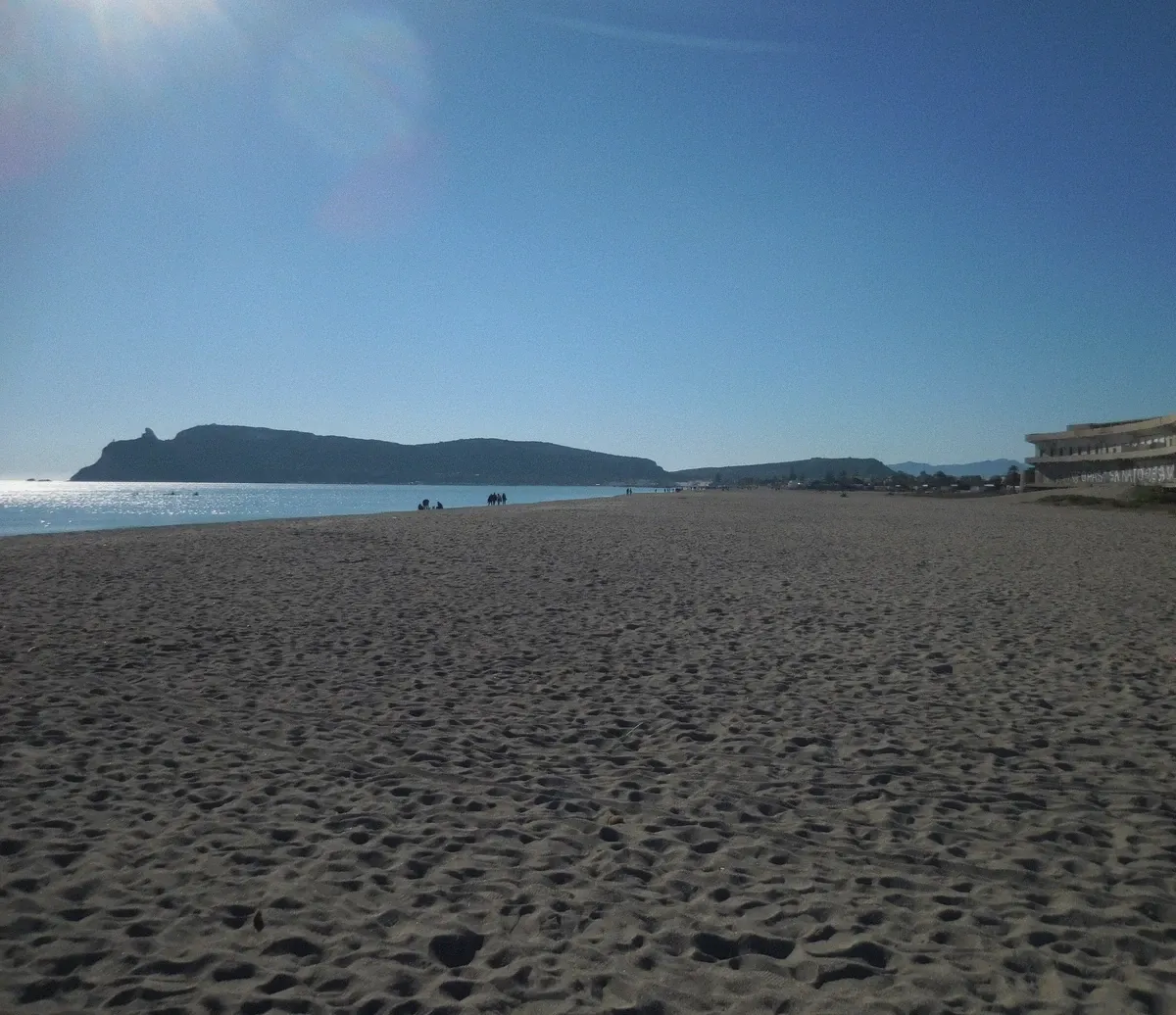
Poetto in season - the beach line every gulf boat calls home. Photo: Cernegaja28, CC BY-SA 4.0, via Wikimedia Commons.0, via Wikimedia Commons.
Quick answer The five-month season, why mornings beat afternoons on every listing, and which months carry the wind risk
The boat season in Cagliari runs from late spring to about early October: the full roster sails May through October, the fleet thins from November, and the winter gulf belongs to a few weather-window optimists. Within a day, mornings win on every measure the listings themselves print - glassier water, better snorkel visibility, the calmest ride (the zodiac operator says so in writing) - because the summer sea breeze, the s'imbattu, builds around midday. Within the season, July and August carry the warmest water and the fullest decks; September and October keep summer water with autumn light and thinner boats; the shoulders of April and November run on luck. The gulf's two cancelling winds - the mistral from the northwest, the scirocco from the southeast - are the reason every booking here carries free cancellation to 24 hours.
Key takeaways
- Book your first workable morning, keep the spare day - the flagship RIB and every other listing here lets you move free up to 24 hours out.
- In peak weeks the 12-place caves boat sells out days ahead - reserve-now-pay-later exists for exactly that.
- Choosing between the boats by season mood is easier with all the Cagliari boats leaving the city compared in one table.
- Shoulder months run on luck, not on luck alone - hold two slots on two formats and keep whichever the 24-hour forecast check crowns.
The Short Answer: When the Gulf Is at Its Best
If the trip is fixed and you want one line: late June and the first three weeks of September are the gulf's best overlap - sea warm enough to stay in, boats running full rosters, decks not yet or no longer at capacity, and the mistral season mostly elsewhere. May brings the cleanest light and the emptiest water but a cooler swim; late October trades swimming for photography. July and August are glorious and crowded in the same breath: the water at its warmest, the 12-place boats full, the quays busiest at the 9 am rush.
The deeper answer is that Cagliari's boating climate is bimodal: it is either a Mediterranean summer (stable, hot, predictable) or it is a shoulder month (changeable, quieter, cheaper). There is no genuine winter season - which is why the honest guide is a calendar of trade-offs rather than a single winner.
The Season in One Table
Months read for boating, from the listings' own schedules and the gulf's climate record - daytime highs are averages from Cagliari's climate data, the boat notes come from what the operators themselves run.
| Month | High | Boating truth |
|---|---|---|
| April | 19°C | First weather-window sails; roster fills through the month; swim = brave |
| May | 24°C | Full roster starts; clean light, empty water; sea still cool on entry |
| June | 28°C | The quiet sweet spot - warm sea, pre-peak decks, long evenings |
| July | 31°C | Warmest water; fullest boats; book mornings days ahead |
| August | 31°C | Peak everything; the caves boat's sell-out month; dawn starts shine |
| September | 28°C | Summer water, autumn light, thinning decks - the connoisseur's month |
| October | 24°C | Runs to mid-month usually; swim days get rationed by the wind |
| November | 19°C | Weather-window sails only; most quays laid up |
| December-March | 15-17°C | The gulf walks and flamingos season; boats mostly ashore |
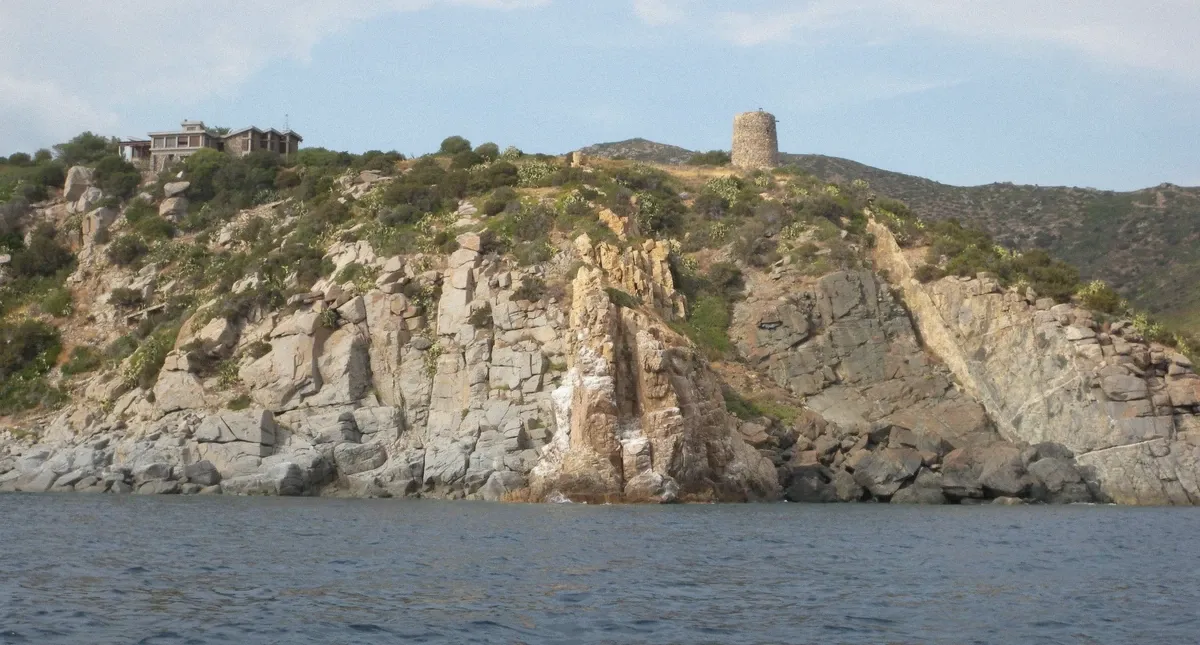
The coast east of the gulf in shoulder-month light - the water stays, the boats thin out. Photo: Rsroberto, CC BY-SA 4.0, via Wikimedia Commons.
Month by Month on the Water
April is a promise rather than a schedule: the first boats run on the calm-window days, rosters fill in as Easter approaches, and the water is for looking at. May is the quietly brilliant choice - the season's machinery fully running, the quays half-empty, the light the year's cleanest, and the only complaint the sea temperature on entry.
June is where locals send their guests: warm-enough water, long evenings for the sunset run, and decks that still have room to move. July and August need no sales pitch and no mercy: 31°C averages, sea like a bath, and every 12-place roster full days ahead - the months where booking the first slot of the day is not a preference but a strategy. September is the month repeat visitors aim for: the summer's water lingers, the light drops golden earlier, and the crowds thin with the schools. October runs while it runs - the first half usually holds a full-week rhythm, the second belongs to the wind. From November the gulf changes hobbies: flamingos, walking, and the odd hard-weather sail for the devoted.
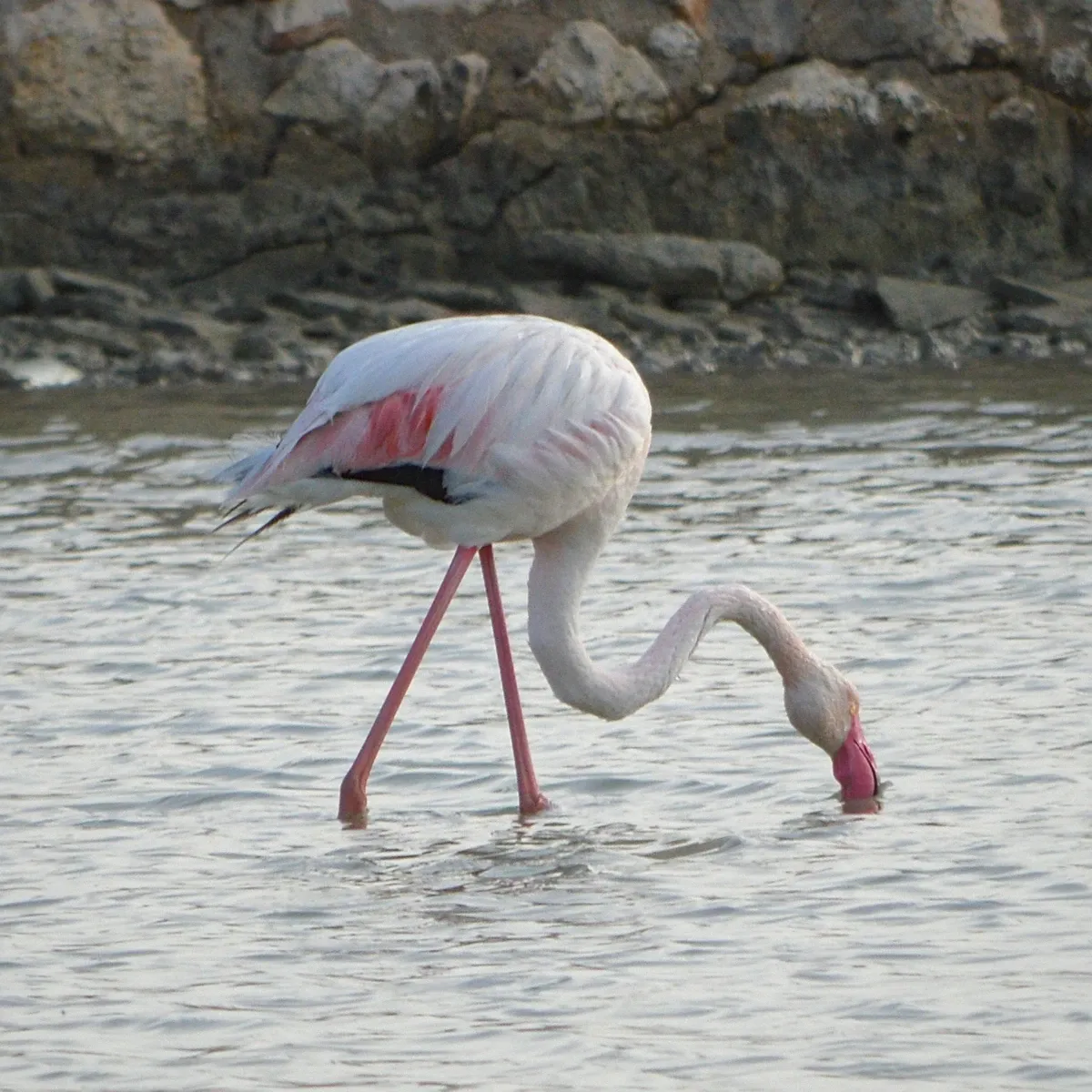
The flamingos of Molentargius - the reason the off-season gulf is not a punishment. Photo: Ryan Hodnett, CC BY-SA 4.0, via Wikimedia Commons.
The Wind Clock: Why Mornings Win
The Mediterranean's summer engine is simple: land heats faster than sea, air rises over the hot afternoon coast, and cooler marine air pours in to replace it. In Cagliari the sea breeze has its own name - the s'imbattu - and its own schedule: glassy water until late morning, a building breeze from midday, a chop that peaks mid-afternoon and dies at dusk. Every operator in the comparison knows this clock; the zodiac listing is simply the one that prints it.
Two bigger winds ride above that daily rhythm. The mistral, the dry northwest wind that clears Sardinia's sky, raises a short steep sea in the gulf's mouth and pushes boats to trade exposed stops for sheltered ones - the caves usually still run, the beach stops suffer. The scirocco arrives from the southeast warm, humid and heavier-handed; it is the wind that cancels whole mornings. Both are forecastable days ahead, which is the practical case for booking early in your stay: a moved morning needs a spare morning to land on, and the free-cancellation-to-24-hours standard across every listing is the mechanism that makes the strategy free.
Shoulder Months and Quiet Water
April and November are the gambler's months: fewer boats, cheaper quaysides, and weather that swings between glassy and grey in a day. The operators who run then are the experienced ones - smaller rosters, flexible departure times, and a candid read of the forecast that peak-season crews rarely need to voice. If your trip falls in a shoulder month, book one slot early in the stay and hold a second with the pay-later option; pick the better of the two windows 48 hours out.
The winter months belong to the city: Poetto in its empty grandeur, the Molentargius flamingos a bus ride inland, the old town with its tables back on the pavement. A hard-weather sail can sometimes be found for the devoted - but there is no roster worth comparing, which is why this site's catalog hibernates with the fleet.
Reading the Forecast Like a Skipper
You do not need a meteorology course to book well in the gulf - you need three checks and a habit. First, the marine wind forecast rather than the city one: look for the direction and strength flags for the Cagliari coast, and read them the way the captains do. Northwest winds (the mistral's quadrant) running above about 15-20 knots are reroute days - the cave line usually still sails, exposed stops do not. Southeast winds (the scirocco's) at any real strength are cancellation days. Everything under 10-12 knots from anywhere is a boat day.
Second, check the evening before and again at breakfast. The gulf's summer pattern is stable enough that the evening forecast is usually right, and the morning check tells you which of the two slots you wisely held is the keeper. Third, watch the sea state, not just the wind: a northwest wind blows across the gulf's mouth and builds a short chop quickly, while the same strength from the north leaves the coves' lee side swimmable. This is exactly the arithmetic the skippers run at dawn - and the reason the comparison's listings all give the captain the morning call rather than a policy.
The habit that makes it all free: hold two slots in the same window (pay-later exists for this), keep both until 24 hours out, and cancel the loser. The forecast stops being a risk and becomes a filter.
The Book-Early Playbook
Cagliari rewards a booking rhythm, and it costs nothing but attention. When your trip is booked, scan the first three mornings of the stay for the earliest departure of your chosen boat - the flagship RIB and the caves boat run the fullest rosters and take the widest range of slots. Hold the first morning's seat, plus a second morning's on a different format (the RIB-and-catamaran pair is the classic), both on reserve-now-pay-later.
At 24 hours out, look at the marine forecast once, keep the better slot, release the other - free of charge on every listing in the comparison. If your first choice full-booked while you hesitated, the cancellation queues work in reverse: seats reappear constantly in the last two days as travellers reshuffle, and the platforms' waitlists are honoured more often than not.
The rhythm's edge cases: midweek sails in the shoulder months run thinnest and move most - hold three slots, not two. And the full-day Mari Pintau yacht sits outside the playbook's safety net, because its single daily departure makes a weather move cost the day; book it with a spare day confirmed, not a hopeful one.
A Boat-First Week in Cagliari
How a seven-day stay assembles itself when the boats are the priority - sequenced against the season's wind logic rather than the guidebook's.
-
Day 1
Arrive, hold two slots
Land the booking rhythm immediately: the [flagship RIB](/nautisardinia-4-swim-stops-prosecco/) for the first clear morning, the [Alma catamaran](/catamaran-swim-snorkeling-prosecco/) for the second - both reserve-now-pay-later, both free to drop at 24 hours.
-
Day 2
The first morning boat
Take the earliest slot: glass water, the cove line, the gulf's argument made in three hours. The afternoon belongs to Castello, walked off the salt.
-
Day 3
The city's day
Deliberately boatless: the markets, the towers, Poetto's western lidos. A rest day this early is what makes the second boat morning feel like a treat rather than a rota.
-
Day 4
The stable deck
The catamaran morning - nets, three stops, the toast - or, if the forecast turned, this is the slot the free cancellation moves without cost. Evening: aperitivo above the harbour at the Bastione.
-
Day 5
The big one
If the week holds a [full-day sail](/mari-pintau-full-day-sailing/), today is it - eight hours east of the gulf with lunch at anchor. On shorter trips, the [caves boat](/green-nautica-sella-del-diavolo-magic/) plus a Marina Piccola beach afternoon does the same job in half the time.
-
Day 6
The spare morning
The day the playbook exists for: re-run whatever the week's weather cancelled, or take the [sunset run](/sunset-boat-tour-aperitif-prosecco/) if the mornings have all landed. Hold nothing new; spend the slots you already own.
-
Day 7
Land light
A last Poetto swim, the flamingos at Molentargius if the flight is late, and the satisfaction of having sailed the gulf the way the skippers do - early, informed, and twice.
The Season's Edges: Booking Late Spring and Late Autumn
The season's first and last fortnights are the gulf's best-kept value, and they reward a slightly different booking discipline than high summer. May's opening weeks run full rosters on half-full decks: the water is cool on entry and clean as glass, the quays uncrowded, and the operators - hungry after the lay-up - keep the smallest formats running on weekdays that July would never staff. The risk is the tail of a scirocco: April's dying weather fronts reach into early May, and the day's forecast check matters more than at any other point in the season.
Late October mirrors the pattern from the other side: the sea holds its summer warmth, the light drops earlier and softer, and the roster thins to the operators who sail year-round at the edges - fewer slots, smaller boats, and a morning-only rhythm as the breeze arrives earlier in the day. The sunset run moves its clock accordingly; the full-day formats finish first.
The honest advice for both edges: book two morning slots on flexible formats (the RIBs and the catamarans), skip the private charters whose single daily departure cannot absorb a move, and treat the weather-window guide as the trip's most useful page. Travellers who accept those terms get the gulf at its emptiest and cheapest - which is exactly why some of us schedule Cagliari twice a year.
Water Temperature and the Swimming Season
The swimming question hides inside the boating question, and the gulf answers generously: sea temperatures climb through June, peak around the mid-twenties Celsius in August, and stay swimmable through October - which is why the month table's bands read the way they do. The detail worth knowing is the contrast: the open gulf runs a degree or two cooler than the sheltered cove pockets, and the swim stops sit in the warmer half of that split, so a sea that feels brisk from the sand reads easy from the ladder.
Morning swimming - the slot every operator prefers - adds its own note: the water is at its daily minimum at dawn, and the first stops feel it for the first minute. The crews' trick, worth borrowing: enter slowly at the first stop, swim properly at the second, and by the third the morning water reads as exactly what it is - the cleanest, clearest swimming of the day.
And the honesty that closes it: the season's edges trade swimming for everything else. April and early May boats run with swimmers in the minority; late October's swims are for the committed. The core months - June through September - are why this coastline sells swim stops at all, and why the comparison table's formats are built around them.
Questions About Timing
When does boat season start in Cagliari?
In earnest, May - the full roster sails from late spring, with April running first-sails on calm-window days as the season assembles. By late October the fleet thins again; winter runs only weather-window optimists.
What is the best month for a Cagliari boat trip?
For the overlap of warm water, thin decks and stable weather: late June and the first three weeks of September. July and August are the warmest and fullest; May trades swimming for clean light and empty water.
Is morning or afternoon better for boating in Cagliari?
Morning - the gulf's summer breeze (the s'imbattu) builds from midday, so early slots ride glassier water with better snorkel visibility. The zodiac operator grades the day by slot in its own listing: mornings usually calm, afternoons windier.
Do boat tours run in Cagliari in winter?
Mostly no: from November to March the fleet lays up and a few operators sail on calm-window days. The season the comparison table prices is May to early October.
How windy is too windy for a boat tour?
The captain decides, not the forecast app: mistral days reroute exposed stops, scirocco days cancel mornings outright. Every listing carries free cancellation to 24 hours, so the wind's decision costs you nothing but a message.
Is the sea warm enough to swim in Cagliari in June?
Yes - June water sits around the low twenties Celsius, warm enough for most swimmers past the first ten seconds, and the swim stops are 20 minutes long. May entry is braver; July and August need no courage at all.
Is September or June better for a Cagliari boat holiday?
Flip a coin weighted by priorities: September keeps summer water and adds autumn light with schools back home; June runs longer evenings and a fresher sea with the season still fresh. Both are the calm-water sweet spots the month table shows; neither is wrong.
How far ahead should I book boats for a July trip?
One to two weeks ahead for the small rosters - the 12-place caves boat and the private charters fill first, the big shared decks last. The pay-later option makes early booking free; the cancellation window makes it reversible.
Does the boat roster change in September?
Lightly and harmlessly: the full roster runs through the month, with some boats consolidating to one departure a day from mid-September and the sunset clock sliding earlier as the light drops. The water stays summer-warm; book one to three days ahead rather than weeks.
Which is windier, the morning or the afternoon in Cagliari?
Afternoon, almost every summer day - the sea breeze builds from midday and peaks mid-afternoon, which is the whole argument behind the morning slots every listing quietly prefers. The exceptions are the passing system winds (mistral, scirocco), and those announce themselves days ahead on the marine forecast.
Can weather cancel on the same morning?
Yes, rarely - a freshening scirocco can ground the fleet at short notice, which is why the captains hold the morning call. Your protection is structural: the 24-hour free-cancellation window moves or refunds the day at no cost, and a spare morning in the stay absorbs the reschedule.
Does the sea get rough in the afternoons in summer?
Rough is strong - the afternoon sea breeze builds a manageable chop on the open stretches while the coves stay swimmable in their lee. The formats that feel it most are the fast hulls between stops; the catamarans barely register it, and the morning slots avoid it entirely.
Is a boat tour a good first activity on arrival day in Cagliari?
Only as a held booking, not a certainty: arrival days carry flight and transfer risk that the sea does not wait for. The playbook move is to hold the arrival afternoon's slot with pay-later and expect to move it - the 24-hour window exists for exactly this, and a first evening on the Bastione watching the gulf is a fine consolation.